Platform bed frames form a modern, space-conscious foundation for sleeping arrangements, combining low profiles with sturdy support. These frames typically feature clean lines, minimal hardware, and integrated slats or panels to distribute weight evenly. Understanding frame height, headboard presence, and underside clearance helps optimize mattress performance and room layout.
Material choice and construction affect durability, noise, and longevity. Common options include solid wood, engineered wood, and metal, each offering distinct aesthetics and strength characteristics. For memory foam and hybrid mattresses, platform bases provide stable, even support that reduces motion transfer and enhances overall comfort.
Specific features to evaluate include slat spacing, central supports, and leg height, which influence mattress ventilation and edge stability. A well-designed platform bed frame minimizes squeaks and provides consistent weight distribution. When choosing, consider room size, under-bed storage needs, and how the frame integrates with existing bedding components like sheets and pillows.
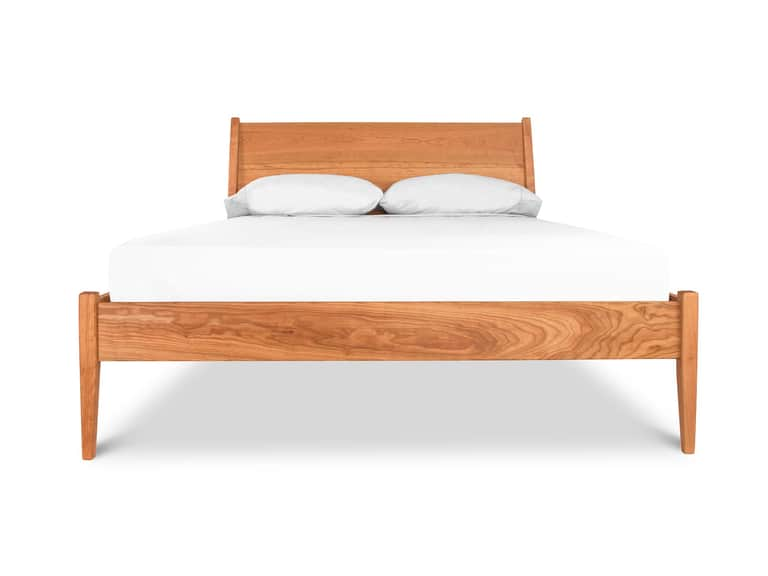
In this category, the Andover Modern Incline Bed illustrates how contemporary design meets practical support. Its inclined or elevated elements may offer ergonomic headboard options, while reinforced slats and cross supports improve load-bearing capacity. Such features contribute to a balanced sleep surface compatible with a range of mattresses, including organic options.
Understanding platform bed frames also involves recognizing compatibility with bedding essentials such as mattresses and protector layers. The frame’s surface height, slat system, and finish influence heat dissipation, airflow, and pillow alignment during rest. Familiarity with these aspects helps ensure a cohesive, comfortable sleeping environment for diverse bedding setups.
 Furniture