A Practical Guide to Choosing Latex Mattresses: Comfort, Durability, and Care
Explore the fundamentals of latex mattresses, including how they differ from memory foam and coil systems. This guide covers comfort, durability, and care considerations to help you make an informed, non-promotional purchase choice.
Introduction: The layered truth of latex
Latex mattresses occupy a peculiar space between buoyant resilience and enveloping support. They are not merely another option in a crowded showroom; they embody a philosophy of materials, manufacturing, and longevity. To understand latex is to peek into a craft that balances science and sensibility. There are three broad families: all-latex constructions, hybrids that marry latex with springs, and natural versus synthetic formulations. Each choice echoes a different idea of comfort—from the responsive bounce of latex to the more grounded steadiness of a traditional spring system.
In this guide, we’ll traverse the fundamentals with the same attentive rigor one would apply to a delicate, bespoke textile. We’ll also anchor our discussion in practical realities—care routines, rotation schedules, signs that a mattress has worn out, and what to expect when you marry a latex core with a conscientious cover. We’ll reference real-world examples, including notable offerings such as Obasan and Healthy Choice, to illustrate the vocabulary of materials without steering you toward a sales pitch.
What is latex, exactly? A quick primer
Latex, at its core, is a natural or synthetic polymer derived from rubber trees or analogous chemical processes. Natural latex, often sourced from Hevea brasiliensis, offers admirable elasticity, breathability, and a distinctive “soft bounce.” Synthetic latex, while sharing many properties, is typically engineered for affordability and consistency. A latex mattress may be all-latex or layered with other foams, fibers, or springs to create a hybrid contour and support profile.
There are notable subtypes worth knowing: Dunlop latex, which tends to be denser and more supportive; and Talalay latex, known for a more uniform cell structure and a softer, more buoyant feel. Some brands offer blends, combining Dunlop’s support with Talalay’s contouring for a nuanced sleep surface. When you encounter terms such as firmness ratings, ILD (Indentation Load Deflection), and density, you are peering into the mechanism by which the mattress translates body weight into pressure relief and alignment.
Latex vs. memory foam: how the two compare
The debate between latex and memory foam is as old as the foam’s rise to popularity. Memory foam tends to cradle the body, tapering slowly to accommodate curves, which can feel “hugging” to some sleepers and overly contouring to others. Latex, by contrast, offers a more buoyant response. It tends to recover quickly after movement, reducing the sensation of “stuck-in-one-spot” that some sleepers associate with memory foam. For couples, latex’s resilience can translate to lower motion transfer than many memory foams, though this varies by construction and density.
Durability is another axis of difference. Latex is celebrated for its longevity; its resilience resists sagging and maintains contour over years. Memory foam can also be durable, particularly high-density formulations, but it may be more prone to deep impressions in high-pressure zones over time. Temperature regulation is a frequent point of comparison: latex breathes well, especially natural latex, while some memory foams may retain heat in warmer climates unless specifically designed with cooling technologies.
Natural vs. synthetic: what to seek in materials
When shopping for latex, the provenance of materials matters. Natural latex is derived from rubber trees and often carries a claim of sustainability, lower chemical exposure, and a conscience-friendly narrative. Synthetic latex, while more affordable, may involve different processing routes and finishes. Blends aim to balance cost and performance. Look for certifications such as Global Organic Latex Standard (GOLS) or Oeko-Tex to gauge traceability and safety standards. A mattress with clear labeling about the latex type helps you understand its expected longevity, firmness range, and environmental footprint.
Beyond latex, consider the surrounding components: the cover fabric, edge support, and any accompanying comfort layers. A well-conceived cover not only feels tactile but also influences temperature management and moisture control. The edge support, often overlooked, determines how well the sleeper maintains stability near the perimeters, especially when sitting on the bed’s edge or sharing the surface with a partner.
Care, rotation, and longevity: a practical regimen
Latex mattresses reward routine maintenance. Although latex itself is resilient, nearby materials and the cover deserve attention. A typical care regimen includes regular airing to manage humidity, rotating the mattress 180 degrees (and sometimes flipping, if the design permits) to distribute wear evenly. This is particularly important for hybrids where a latex core interacts with springs or other foams. A simple cleaning protocol—spot-cleaning with mild detergent, avoiding harsh solvents, and using a breathable, moisture-wicking cover—helps preserve the surface integrity and skin-contact feel.
Be mindful of signs that signal replacement: persistent indentation in the sleeping surface, loss of the desired support, or a noticeable decline in temperature regulation. If you notice unusual odors beyond initial curing, or if the mattress has exceeded its expected lifespan, it may be time to reassess. A well-maintained latex mattress can remain comfortable for well over a decade, a testament to the material’s resilience when paired with thoughtful design and manufacturing processes.
A closer look at select latex offerings: Obasan and Healthy Choice
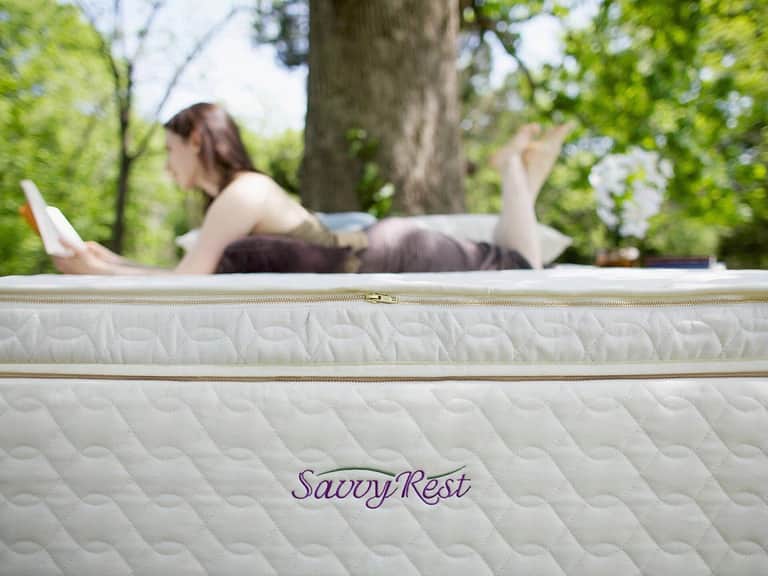
Two brands often cited in conversations about natural sleep solutions are Obasan and Healthy Choice. Obasan has built a reputation for its commitment to organic materials and transparent production practices. Their latex cores pair with natural fabrics and sustainable finishes to create a sleep surface that emphasizes environmental stewardship and long-term comfort. Healthy Choice, likewise, leans into natural materials and meticulous craftsmanship, presenting latex mattresses with a focus on breathability and pure comfort.
These brands illustrate a broader principle: the best latex mattress is not the loudest advertisement but the most coherent integration of materials, support logic, and care philosophy. When evaluating a latex mattress, align your expectations with the brand’s stated materials, the firmness spectrum, and the product’s construction details rather than relying on trend-based claims. A thoughtful buyer notes the interplay between core material, cover, and edge structure, which collectively shape sleep quality more than any single feature.
A curated moment: the Vispring Tiara Superb as an exemplar reference
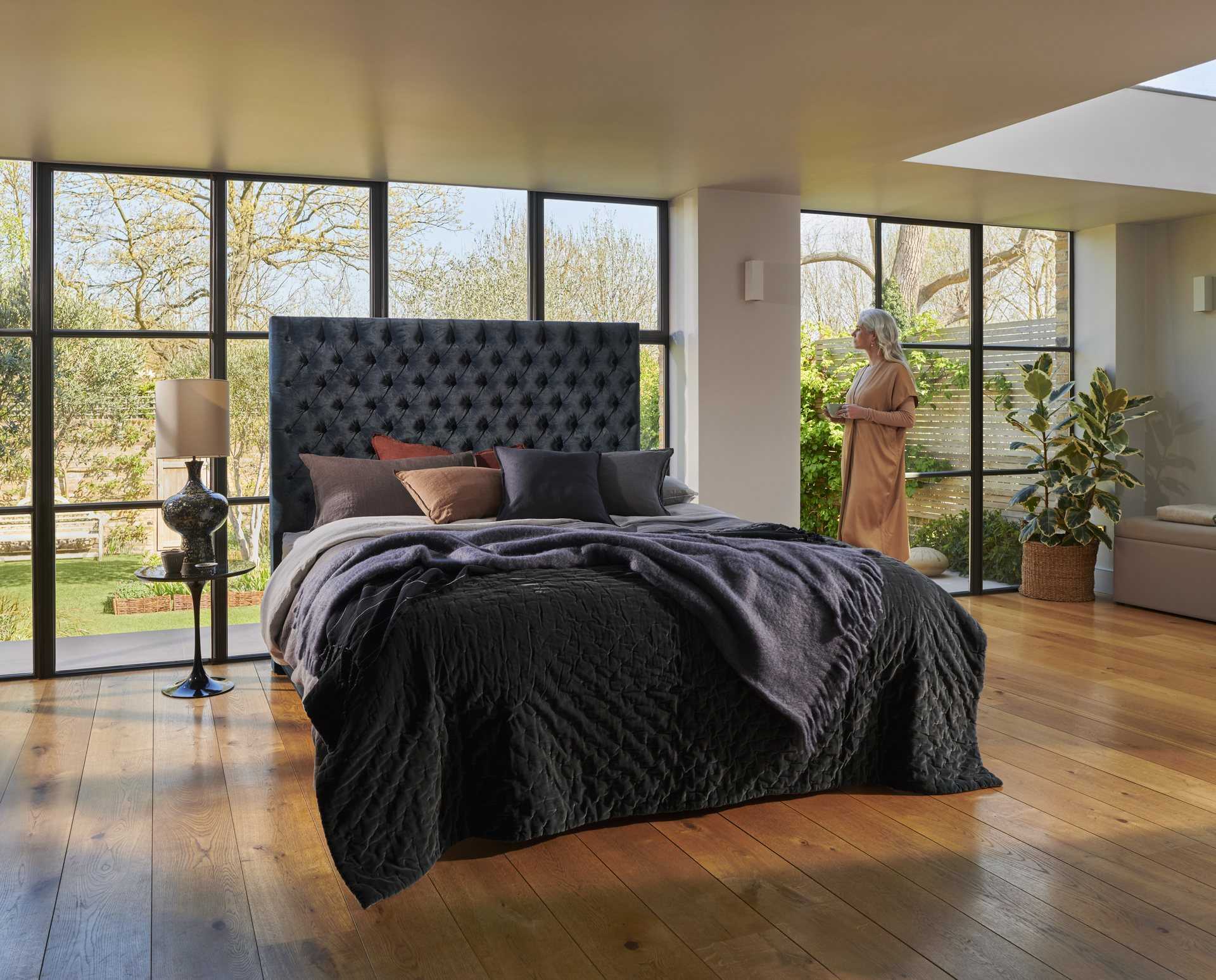
To ground our discussion in a concrete example, consider the Vispring Tiara Superb. Though not a latex-only offering, this mattress embodies the craft ethos we described: meticulous layering, premium materials, and a spring system designed for precise point support and edge stability. If we juxtapose the Tiara Superb’s artisanal approach with a latex-centric model, we gain a broader sense of what “quality” means in modern sleep surfaces. The Tiara Superb represents the apex of traditional upholstery discipline—an aria of wool, horsehair, and hand-tied springs—that reminds us how far the industry has travelled from the novelty of basic foam layers to the nuanced language of comfort, structure, and endurance.
In our latex-focused discussion, it is instructive to appreciate how alternatives anchor the same questions—how does the bed support the spine at varying weights? How does the surface respond to movement without transferring vibration? How do cover fabrics regulate heat and moisture? The Vispring example helps us see that while latex offers its own virtuosic delivery, the best sleep surfaces ultimately harmonize material science with human experience.
Sample buying decisions: translating theory into choice
When you stand before a showroom or scroll through a digital catalog, the decision is rarely about a single feature; it’s about a constellation of factors that converge on a nightly cadence of rest. Here is a practical framework to orient your decision without giving in to promotional rhetoric.
- Material provenance: prioritize natural latex if you value breathability and a traditional feel, but understand blends and hybrids if you seek a compromise between bounce and contour.
- Core construction: decide between all-latex, Dunlop vs. Talalay nuances, or latex hybrids with springs. Each configuration yields a different balance of contour, bounce, and motion isolation.
- Firmness and tailorability: if you share a bed, consider a mattress that accommodates differing preferences by design (e.g., split firmness or layered customization).
- Temperature regulation: natural latex often performs well in warmer climates, but ensure your cover and any comfort layers do not trap heat.
- Durability expectations: examine warranty terms, expected lifespan, and the brand’s approach to repairability or layer exchanges if available.
Taking these factors into account helps avoid overvalueing superficial traits and instead anchors your decision in long-term sleep quality and personal comfort profile.
Care and maintenance: translating care into longevity
Latex mattresses benefit from a predictable maintenance rhythm. Rotate every three to six months to prevent uneven wear. A breathable cover—often natural cotton or a moisture-wicking fabric—extends the life of the core by managing humidity. For latex, spot cleaning with mild detergents is often sufficient, avoiding harsh solvents that could degrade elasticity and surface fidelity. If the mattress is part of a hybrid assembly, ensure that the surrounding components (e.g., a supportive foundation or a perimeter edge) do not impede airflow or introduce stiffness that could negate the latex’s breathability.
Finally, embrace the idea of periodic reassessment. If your sleep needs shift due to aging, health considerations, or changes in body weight, the ability to adjust firmness or layer composition can be invaluable. Brands that offer modular layers or exchange services provide an avenue to extend a mattress’s usefulness without a complete replacement.
Three key historical figures and their influence on sleep philosophy
Across centuries, a few towering figures have shaped how we think about sleep, comfort, and the science of reclining. Here are three from distinct eras who illuminate the enduring human preoccupation with rest.
Hippocrates of Kos (c. 460–370 BCE)
The father of medicine, Hippocrates recognized sleep as essential to restorative health. His emphasis on balance, anatomy, and the rhythms of body and mind foreshadowed later notions that the sleep surface—its support, temperature, and texture—matters to overall well-being. Though not a mattress designer, his insistence on empirical observation invites a modern reader to test comfort through mindful diagnosis of sleep. A latex mattress, with its firm, responsive core, embodies the principle of supporting the body’s alignment while allowing natural movement during rest.
Marie Curie (1867–1934)
Curie’s relentless pursuit of measurable outcomes and her insistence on rigorously tested materials—radiation safety, isolation, and systematic experimentation—offer a methodological template for evaluating sleep products. In the mattress world, such disciplined curiosity translates to assessing materials’ reputations, testing certifications, and demanding transparent claims about composition, durability, and maintenance cycles. Her scientific precision invites readers to demand evidence, not just rhetoric, when considering latex, springs, or covers.
Zadie Smith (born 1975)
In contemporary literature she writes with a prescient sense of how spaces shape identity. Applied to sleep, Smith’s sensitivity to how rooms, textures, and daily rituals influence mood becomes a reminder that the sleeping surface is part of a larger ecosystem—an arrangement of textiles, temperatures, and rhythms. In our guide, this translates into acknowledging the bed’s surrounding environment: the cover, the sheet, the pillow, and the room’s layout—all contributing to the quality of rest as a lived experience.
A note on products and care language
The literature surrounding latex mattresses often embraces a vocabulary of contours, density, ILD, and durability. When you encounter claims about comfort, ensure that they are grounded in demonstrable properties rather than marketing rhetoric. If possible, request materials details, certifications, and warranty coverage. The model that balances truth with tact is the one that guides you toward a sleep surface that remains buoyant, supportive, and breathable across many seasons.
Related resources and ongoing learning
As you continue exploring latex, consider pillar articles that deepen your understanding of sleep science, room planning, and care strategies. Pillar content can include:
- How to choose a mattress for back pain
- Divan vs. bed frame: pros and cons for support and storage
- Material comparisons: latex, memory foam, and hybrids—how they influence sleep posture
- Room layout ideas for optimal airflow and temperature regulation
These topics reinforce the non-commercial, educational stance of mattressanddivans.com while offering evergreen knowledge that remains relevant as materials evolve and new data emerges in sleep science.
Meta: This article is part of an ongoing educational series that seeks to illuminate the practicalities of sleep products without selling them. It aims to be a trusted companion for readers who value evidence-based guidance and thoughtful, non-promotional presentation.
Selected product reference
Vispring Tiara Superb — A benchmark in traditional upholstery that foregrounds expert craftsmanship, premium fibers, and a tailored edge, illustrating what a high-end, non-latex reference can teach us about durable comfort and support systems.
Vispring Tiara Superb embodies the long-view philosophy of sleep surfaces: materials chosen for longevity, layered with care, and designed to distribute pressure without sacrificing the subtle balance of bounce and contour that defines elevated rest.
Conclusion: toward a thoughtful, durable sleep future
Latex mattresses, when approached with scrutiny and curiosity, reveal themselves not as a single feature to be marketed but as a marriage of resilience, breathability, and thoughtful design. The ideal choice aligns material provenance with personal comfort, room climate considerations, and a care routine that respects longevity. In a marketplace crowded with glossy promises, the science of sleep invites a calmer, more disciplined decision-making process—one that privileges a bed’s supportive core, the texture of its cover, and the rhythm of rotation and renewal that sustains a good night’s rest for years to come.