A practical guide to natural mattresses
Inside Obasan’s Natural Sleep System: Materials, Feel, and Fit
A mattress is a collection of materials, decisions, and compromises disguised as a rectangle. To understand an Obasan sleep system—or any natural mattress—it helps to look past the reassuring vocabulary of “natural” and ask what is inside, how the layers work together, and whether the resulting feel suits the person who will sleep on it.
Published November 19, 2026
Shopping for a mattress has become an exercise in interpreting adjectives. A bed may be described as supportive, cloudlike, responsive, pressure-relieving, or sustainably made, sometimes all at once. These words gesture toward real qualities, but they do not tell the whole story. “Support,” for instance, is not a single sensation, and “natural” does not automatically mean firm, cool, durable, or right for every sleeper.
Obasan’s natural sleep systems invite a more useful kind of inquiry: not simply whether their materials sound appealing, but how the construction produces a particular feel. Natural latex, wool, and cotton can behave differently from foams and synthetic fabrics. Yet even within those broad families, thickness, density, processing, quilting, and the arrangement of layers matter. Two mattresses that share a list of materials may feel strikingly different beneath the body.
The sensible approach is neither to treat a natural-material label as a guarantee nor to dismiss it as decoration. It is to understand what the label can tell you, what it cannot, and which questions bring a mattress back to the most important test: how it feels to you, over time, in the way you actually sleep.
Start with construction, not a promise
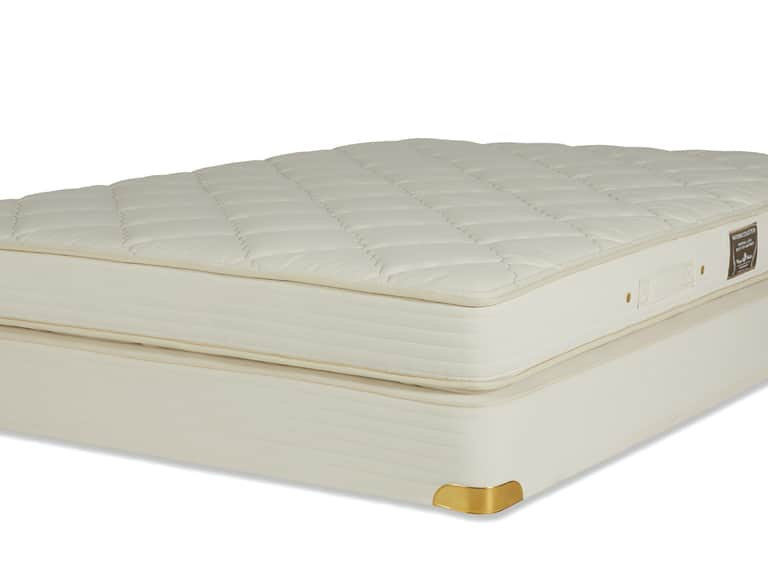
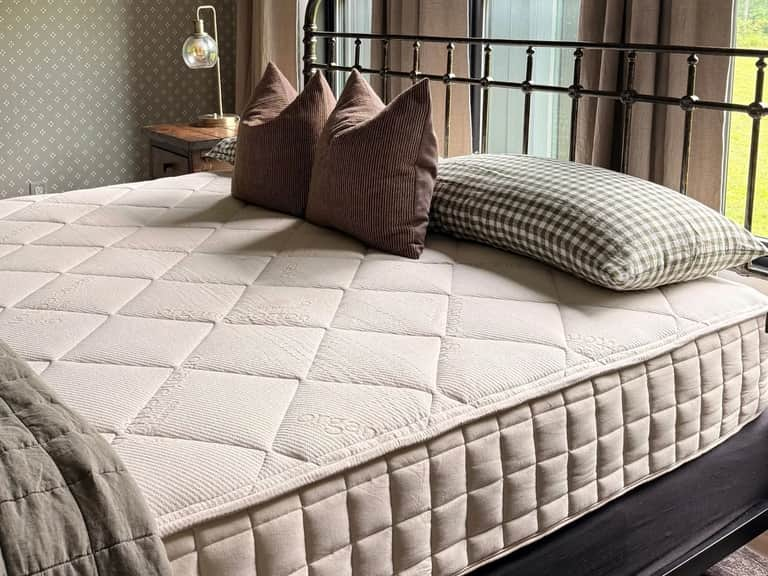
A mattress is a small architecture. Its layers work in sequence, beginning at the surface and ending at the foundation beneath it. The topmost materials shape first contact: whether the bed feels yielding, buoyant, quilted, or relatively direct. Deeper layers influence how far the body settles, how evenly weight is distributed, and how much resistance the mattress offers as someone moves.
When comparing an Obasan configuration, ask for a clear account of the materials and their placement. Which materials are in the comfort layers? What provides the deeper support? How thick is each layer, and can any components be rearranged or replaced? Is the cover removable, and if so, what care does it require? These questions are more informative than a general claim that a mattress is “natural” or “premium.” They translate a brand’s language into things a shopper can evaluate.
Natural latex is often valued for its resilient, springy response. Rather than slowly enveloping the body, it tends to press back more promptly when weight shifts. That can make movement easier for some sleepers and give the surface a buoyant quality. But latex is not one uniform sensation. Its firmness, density, thickness, and position within the mattress all affect how it feels. A thinner, softer upper layer over a firmer support layer will not feel like a thick, soft layer throughout.
Wool and cotton can contribute in different ways. Wool is commonly used in quilting or as part of the mattress cover, where it can add a gently cushioned surface and help manage moisture. Cotton may appear in covers and fabrics, bringing a familiar textile feel. Neither material, by its name alone, reveals the mattress’s overall firmness. A natural fiber may soften the first impression without changing the deeper support in the way a thick comfort layer might.
For that reason, a useful product description should distinguish materials by location and purpose. A list of ingredients is a beginning, not a map. The map is the construction: the thickness and order of the layers, the manner in which they are joined, and the foundation they are intended to rest upon.
What “natural” does—and does not—mean
“Natural” is an appealing word because it seems to settle several questions at once. It can suggest a closer relationship to plant- or animal-derived materials, a reduced reliance on certain synthetics, or a manufacturing approach that a shopper finds preferable. But the word is broad. It does not, by itself, specify the origin of every component, the proportion of natural content, the processing methods used, or the standards applied to production.
If material sourcing matters to you, ask for detail. Look for the exact fiber or material, where it is used, and any certification or documentation that applies. Read certification claims in context: a standard may address one material or stage of production rather than every component of a finished mattress. If a particular substance is a concern, ask whether it is present in the relevant layer or treatment instead of assuming that a general label answers the question.
There is also a difference between “natural,” “organic,” and “chemical-free.” These terms are not interchangeable in ordinary product descriptions. Organic claims usually require a defined scope and substantiation; “chemical-free” is especially imprecise, since every material consists of chemicals in the scientific sense. What a shopper generally wants to know is more concrete: which materials are used, how they have been processed, and whether the product meets a named standard that matters to them.
This is not an argument against natural materials. It is an argument for specificity. A transparent description makes it possible to compare mattresses on their merits rather than on the glow cast by a reassuring adjective. A careful shopper can value the feel, origin, or composition of a material while remaining alert to what the available information actually establishes.
Firmness is a sensation, not a universal measurement
Firmness is one of the most useful and most misleading words in mattress shopping. It is useful because it gives people a rough way to describe the initial feel of a surface. It is misleading because there is no single experience of firmness shared by every body. Weight, shape, sleeping position, and personal sensitivity all affect how a mattress feels under load.
A lighter sleeper may not compress a mattress as deeply as a heavier sleeper, and may experience the same model as firmer. A broader-shouldered side sleeper may feel pressure at the shoulder on a surface that feels comfortable to someone who sleeps on their back. Even the same person may judge a bed differently after a long day, after a few weeks of adjustment, or when moving from a worn-out mattress to a new one.
Firmness should also be separated from support. A mattress can feel soft at the surface while still providing substantial resistance underneath. Conversely, a firm-feeling top does not guarantee that the body is held in a comfortable position. The practical question is whether the mattress allows enough cushioning at areas that press into it while keeping the body from sinking in a way that feels strained or unstable.
When you compare Obasan options, treat firmness labels as orientation rather than verdict. If there are several configurations, ask how they differ in materials and layer arrangement, not merely which is “soft” or “firm.” If a retailer offers a firmness scale, find out how it is defined and whether it reflects a standardized test or a simple relative ranking within the range.
Then consider your own history. Do you usually prefer a yielding surface, or do you feel more settled on a taut one? Have you woken with pressure around the hips or shoulders on a previous bed? Do you move easily at night, or does a deeply cushioned surface make repositioning feel like an undertaking? Such observations are not a diagnosis, but they can make a showroom trial or consultation more purposeful.
Sleep position and the shape of comfort
Sleep position offers a practical starting point because it influences which parts of the body meet the mattress most directly. It does not determine the right mattress on its own, and many people change positions during the night. Still, it can help organize a comparison.
- Side sleepers often notice pressure around the shoulders and hips. They may want enough surface give for those areas to settle comfortably, while avoiding a sensation of being trapped or unevenly supported.
- Back sleepers may focus on whether the mattress feels balanced beneath the torso and pelvis, without an uncomfortable hollow or a feeling that one area sinks substantially more than another.
- Stomach sleepers may be especially sensitive to excessive sinking around the midsection. They can consider whether the mattress keeps the body feeling level and whether the surface is comfortable without feeling overly plush.
- Combination sleepers may value a surface that responds readily as they turn. A more buoyant feel can be easier to move on than one that conforms slowly, though individual preferences vary.
These are prompts, not prescriptions. A person’s comfort depends on the whole interaction between body, mattress, pillow, and sleep habits. If you share a bed, the other sleeper’s needs belong in the conversation too. One partner may prefer more cushioning while the other wants a firmer surface; one may be a light sleeper who notices movement, while the other changes position frequently.
The shared-bed question
Two people can lie on the same mattress and occupy different worlds. A bed that feels agreeably responsive to one person may feel too firm to another. Differences in body weight, posture, temperature preference, and movement can become more conspicuous when they are compressed into a single purchase decision.
When testing a mattress together, take turns lying in your usual positions and allow a little time for each trial. Notice whether the person on one side feels the other’s movement, whether both sleepers can get in and out comfortably, and whether each has enough room to settle without drifting toward the middle. These observations may be more useful than a quick, synchronized verdict delivered after thirty seconds on the edge of a bed.
Ask whether the sleep system permits different firmness choices on each side, if that is relevant to the range being considered. Do not assume such flexibility is available; confirm the design, configuration, and any implications for assembly, care, or future adjustments. If a system has components that can be changed, clarify what can be changed, how often, and whether the adjustment is intended to be performed at home or with assistance.
A shared mattress must also fit the frame and room. Confirm the exact dimensions, including any difference between standard and less common sizes, and measure the path through the home. Hallways, stair turns, doors, and bed frames are not abstract details once a mattress is being carried into a room. A comfortable bed that cannot be delivered or supported properly is an expensive form of optimism.
Temperature, moisture, and the bedroom around it
Sleep temperature is not determined by a mattress alone. The room, the sleeper, pajamas, sheets, blankets, and the bed’s construction all play a part. Still, a mattress’s materials can influence how heat and moisture are experienced at the surface. Natural fibers such as wool and cotton may be selected for their ability to interact with moisture, while latex has a different feel and structure from dense, slow-response foam.
Claims about a mattress being “cool” should be treated as descriptions of experience, not promises that it will regulate every sleeper’s temperature. Ask what construction is intended to support airflow and how the cover, quilting, and comfort layers contribute. If you tend to sleep warm, consider the whole bedding system. A thick mattress pad, tightly woven sheets, or heavy bedding can change the sensation of the surface you chose.
Fitted sheets should match the mattress’s height and any topper or pad that will remain on the bed. A sheet that is too shallow may pull loose; an oversized one can wrinkle and interfere with the feel of the sleep surface. Check pocket depth and the mattress’s final height after accounting for the foundation and bedding. These are modest errands of measurement, but comfort often depends on just such unglamorous particulars.
The foundation is part of the system
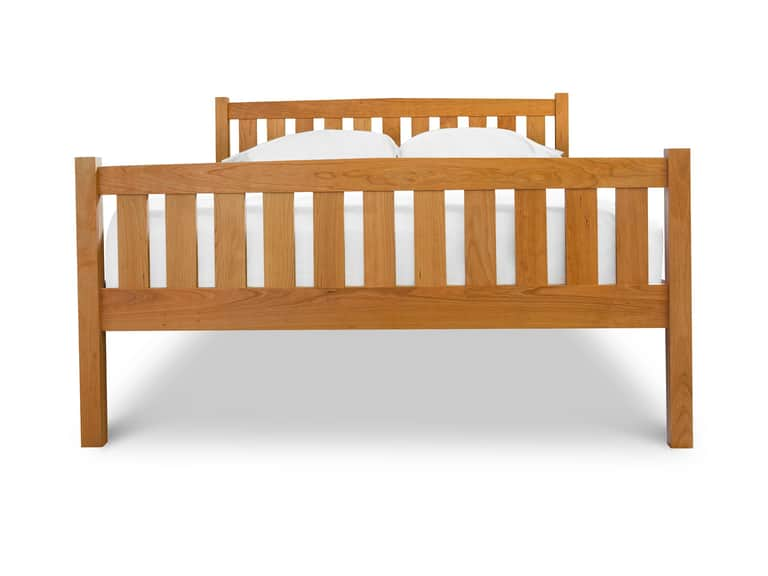
A mattress does not perform in isolation. The bed frame or foundation affects how it is supported, how high it sits, and whether its construction is used as intended. Before choosing a sleep system, confirm the maker’s foundation requirements. Find out whether a platform, slatted base, or adjustable base is compatible, and whether there are limits on slat spacing, center support, or other structural details.
The foundation can also change the perceived feel. A mattress on a firm, continuous surface may seem different from one placed on a more flexible base. That does not mean one arrangement is inherently better; it means that showroom impressions may not perfectly reproduce what you experience at home unless the support underneath is comparable.
Measure the room as well as the mattress. Include space for walking, opening drawers, making the bed, and reaching windows or closets. For a taller mattress and foundation, consider the resulting bed height. A sleep surface should be easy enough to approach and leave, and it should not crowd a small room into a corridor with a lamp.
Testing a mattress without pretending to be a scientist
Trying a mattress in a showroom is imperfect. The bed is new, the room is unfamiliar, and a short visit cannot reproduce a night’s sleep. It is still useful if approached deliberately. Remove your coat, lie down in your usual position, and give yourself enough time to notice pressure, alignment, and ease of movement. If you sleep with a particular pillow, consider bringing it or asking whether the showroom can provide a similar height.
Do not spend the whole trial asking, “Is this comfortable?” Comfort is a large, foggy category. Break it into smaller questions: Is there pressure at the shoulder or hip? Does the lower back feel relaxed or strained? Can you turn without effort? Does the surface feel supportive without being harsh? Do you feel settled, or are you continually adjusting?
Try the mattress with the person who will share it, if applicable. Test the edge if you often sit there to dress or get up. Ask how long the mattress may take to feel familiar, what the trial or return terms are, and which actions could affect eligibility. Policies vary, so obtain the details in writing rather than relying on a reassuring summary.
Finally, keep a record of what you tried. Note the configuration, firmness description, foundation, and any adjustment made. After several visits, memories of showroom beds can become indistinguishable, like hotel rooms glimpsed at dawn. A few specific notes are a better guide than the vague recollection that one mattress felt “more natural.”
Care, durability, and the life of the mattress
Natural materials do not make a mattress maintenance-free. Ask how the cover should be cleaned, whether it is removable, and whether the mattress should be rotated or turned. A cover that is not designed to come off should not be unzipped simply because a zipper is visible. Follow the maker’s instructions, and use a protector if one is recommended and compatible with the mattress’s feel.
Clarify the warranty’s scope. A warranty may cover specific defects while excluding ordinary wear, comfort preferences, or gradual changes that fall below a stated threshold. It is not the same as a sleep trial or satisfaction policy. Ask what evidence is required for a claim, who pays transport costs, and whether the remedy is repair, replacement, or another option.
Durability is shaped by construction, materials, care, support underneath, and use. A price or a natural-material claim cannot settle how long a particular mattress will remain comfortable. It is more helpful to understand the design, the expected care, the warranty, and the practical options if the feel changes. If layers can be reconfigured or replaced, determine whether that is a meaningful feature of the particular system and what it costs to use.
A short checklist for comparing Obasan options
Before making a decision, gather the details that let you compare one configuration with another on equal terms:
- What materials are used, and in which layers?
- How thick are the comfort and support layers, and how are they arranged?
- How is firmness described, and what distinguishes the available choices?
- Can the layers or firmness be adjusted later, and what does that process involve?
- Which foundations are compatible, and are there support requirements?
- What are the cover-care instructions and recommended maintenance?
- What do the warranty, trial, exchange, and delivery terms actually say?
- Will the mattress fit the bed frame, room, and route into the home?
- Have both sleepers tested it in their usual positions, if the bed is shared?
The useful answer is the personal one
An Obasan natural sleep system should be evaluated as a combination of materials, construction, and fit—not as a single material or a promise attached to a label. Natural components can offer distinctive qualities, but their effect depends on where they appear, how thick they are, and what they are paired with. Firmness is a guide rather than a law; sleep position is a starting point rather than a diagnosis; a certification is evidence about a defined scope rather than a verdict on every aspect of a finished mattress.
The best comparison is therefore a patient one. Learn what the layers are. Test the surface in the positions you use. Consider the other sleeper, the foundation, the bedroom, and the bedding that will complete the system. Ask questions about care and policy before a purchase makes them urgent.
Mattress shopping rarely rewards theatrical certainty. It rewards the small, attentive observation: that a shoulder settles without protest; that turning feels easy; that the bed seems supportive without demanding that the body negotiate with it all night. Those details are personal, and that is precisely why they matter.